Table of Contents
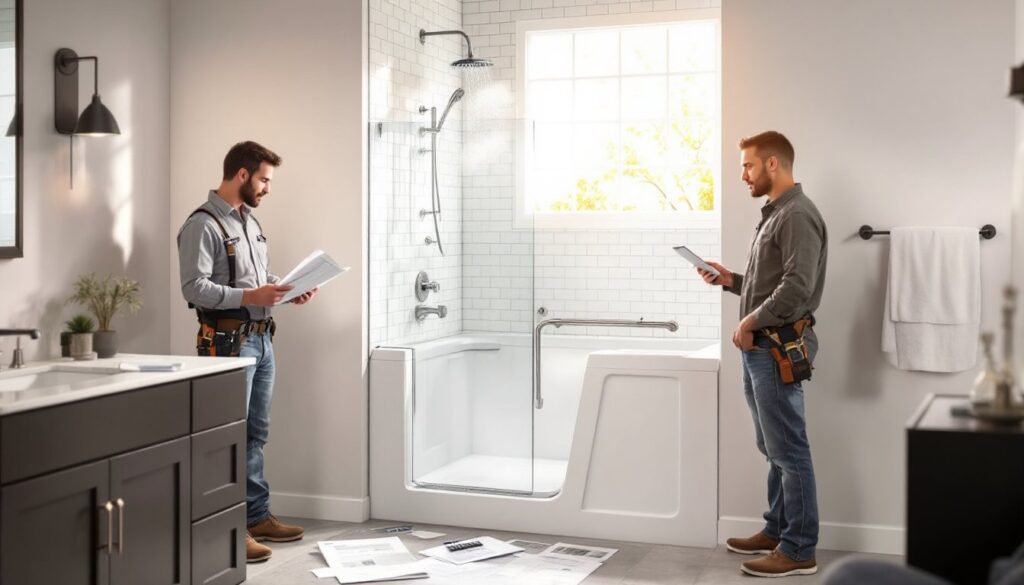
ToggleA Kohler walk-in bath with shower combines safety, accessibility, and comfort, making it an appealing upgrade for aging in place or simply improving bathroom functionality. If you’re considering this investment, you’ll want clear numbers before committing. The total cost typically ranges from $3,000 to $15,000+, depending on the model you choose and whether you handle installation yourself or hire professionals. This guide breaks down what you’ll actually pay for a Kohler walk-in bath, factors that influence pricing, and realistic ways to stretch your budget without compromising quality.
Key Takeaways
- Kohler walk-in bath with shower costs typically range from $3,000 to $15,000+ depending on model features and whether you use professional installation.
- Entry-level Kohler walk-in bath models without shower features start around $3,000–$5,000, while adding shower capability pushes prices to $5,000–$8,000 for basic options.
- Installation labor alone ranges from $2,000–$5,000, but hidden costs like plumbing rerouting, subfloor reinforcement, and electrical work can add $1,000–$3,000 or more.
- You can save 10–15% by bundling tub and installation through a single contractor and shopping multiple dealers, as retailers often offer 15–30% discounts off manufacturer pricing.
- Structural issues, aging plumbing infrastructure, and finish work like tile and caulking are common budget surprises that can significantly increase your total project cost.
- Many states offer aging-in-place rebates and accessibility grants for walk-in bath installations, which can help offset expenses when you inquire with your contractor and local health department.
Understanding Kohler Walk-In Bath Pricing
Kohler walk-in tubs vary widely in price based on materials, features, and footprint. The unit itself, the tub shell, fittings, and built-in fixtures, is separate from installation labor, permits, and any structural modifications your bathroom needs.
A basic Kohler walk-in bath without a shower starts around $3,000 to $5,000. Adding a shower component pushes prices to $5,000–$8,000 for entry-level models. High-end versions with spa jets, chromotherapy lighting, and advanced temperature controls can exceed $12,000 for the unit alone.
Don’t confuse list price with street price. Retailers, showrooms, and online suppliers often discount 15–30% off manufacturer pricing. Getting quotes from multiple sources matters, a tub costing $6,000 at one dealer might be $5,200 at another.
Labor typically runs $2,000–$5,000, but that’s just installation. If your existing tub needs removal, plumbing rerouting, or structural prep work (reinforcing the subfloor, adjusting framing), add another $1,000–$3,000. These hidden costs catch most homeowners off guard.
Popular Kohler Walk-In Bath Models and Their Costs
Basic Models and Entry-Level Options
Kohler’s Stratton and Windward lines represent the entry-level walk-in segment. Both come standard with a soaking tub, grab bars, and a swing-out door, no shower. Typical pricing is $3,500–$5,000 for the unit.
The Stratton offers a 27-inch seat height, making transfers easier for users with limited mobility. The Windward adds a deeper basin if you prefer full-body soaking. Both require basic plumbing hookup and fit standard 5-foot bath alcoves.
If you want shower capability in this range, look at models like the Tahoe, which includes a combination tub-shower setup. Expect $5,500–$7,000. You’re trading some soaking space for integrated shower functionality.
Premium and Feature-Rich Models
Kohler’s SafePassage and Veloce collections target buyers wanting spa-like features. The SafePassage (around $8,000–$10,000) includes a soaking tub, walk-in entry, shower wand, handheld showerhead, and a built-in grab bar system.
The Veloce ($9,000–$13,000) adds heated seat surfaces, air jets for massage, and sophisticated chromotherapy lighting. It’s a showpiece tub that turns a practical upgrade into a wellness experience.
For maximum features, the Underscore platform allows custom configurations with jets, rainfall showerheads, and temperature-memory presets. Custom builds often run $12,000–$15,000+.
Size matters too. A compact 30-inch model costs less than a 48-inch luxury version: larger tubs require wider plumbing runs and may need reinforced floors.
Installation Costs and Labor Considerations
Installation isn’t a DIY job for most homeowners, walk-in baths are heavy (400–600 lbs), require precise plumbing, electrical work for jets and lighting, and often need building permits. Licensed plumbers and installers typically charge $2,000–$5,000 in labor alone.
The cost varies based on your bathroom’s current state. If you’re replacing an existing tub with the drain, supply lines, and vent already in place, installation leans toward the lower end. If the tub sits in a different location, you’ll pay for rerouting supply and drain lines, potentially adding $800–$2,000.
Electrical work for air jets, heated seats, or chromotherapy lights requires a licensed electrician (often $500–$1,500 depending on circuit proximity and local rates). Some regions mandate a licensed electrician touch any new bathroom outlet: others allow plumbers to handle basic 120V circuits.
Subfloor reinforcement is critical if your existing structure can’t support a 600-lb tub filled with 300+ lbs of water and a person. A structural engineer might recommend sistering joists or adding diagonal bracing, work that costs $800–$2,500. Skip this and you risk settling, cracking grout, or separating seals.
Removal of the old tub and disposal runs $300–$800. Some installers include it: others charge separately. Permits and inspections (required in most jurisdictions for plumbing changes) cost $150–$400, though some regions roll this into the contractor’s scope.
Always get a written estimate that breaks down labor, materials, and scope. Verbal quotes cause disputes.
Factors That Affect Total Project Cost
Several variables push costs up or down. Bathroom layout is huge: a compact guest bath is cheaper to work on than a master bath with complex framing or limited access. Tight spaces may require cutting through walls to access plumbing, driving costs higher.
Existing plumbing and electrical matter greatly. If your home has aged galvanized pipes or cloth-insulated wiring, code updates might force you to upgrade beyond the tub itself. A $4,000 tub project can balloon to $8,000 if the inspector finds outdated infrastructure.
Geographic location affects labor rates and material availability. Urban areas command higher hourly rates: rural regions may have fewer Kohler specialists, limiting competition on pricing. Shipping a heavy tub also costs more in remote areas.
Finish materials and tile work around the tub add expense. If you’re tiling the surround, grouting, caulking, and painting labor can run $1,000–$3,000. Some homeowners underestimate this as a “separate” cost and blow their overall budget.
Structural issues discovered during removal are budget killers. Rotted subfloor, mold, or hidden plumbing leaks mean additional repairs before the new tub goes in.
Accessibility upgrades like grab bars, non-slip flooring, or threshold removal can add $500–$2,000 depending on scope. These are often eligible for aging-in-place tax credits or insurance rebates, worth checking with your provider.
Warranty and support vary by retailer. Some offer extended labor warranties: others don’t. A Kohler-certified installer might cost slightly more but typically includes a 1-year labor warranty, reducing stress.
Ways to Save on Your Walk-In Bath Investment
Choose a practical model over the luxury line. A Stratton or Windward ($3,500–$5,000) delivers the core benefit, safe, accessible bathing, without paying for heated seats or chromotherapy. Reserve premium models for people with specific needs (arthritis, mobility challenges) where the features justify cost.
Bundle tub and installation through a single contractor. Retailers like Lowe’s or Home Depot sometimes offer installation packages at a discount versus sourcing the tub and hiring a plumber separately. You lose some customization but save 10–15%.
Reuse existing plumbing whenever possible. If your new tub drains and supplies align with the old one’s location, labor drops significantly. Confirm dimensions and plumbing rough-in before purchase.
Get multiple bids. Call three licensed plumbers or installers. Prices vary: sometimes you find a contractor with lower rates or better warranty terms. Comparing bids also reveals scope creep, one contractor might recommend work the others skip.
Apply for grants or rebates. Many states and utilities offer aging-in-place rebates, accessibility grants, or energy-efficient bathroom upgrades. Your insurance may also subsidize grab bars or safety features. Ask your contractor and local health department.
Handle prep work yourself if appropriate. If you’re comfortable removing the old tub, disposing of it, or prepping the space, you save labor hours. Don’t attempt plumbing or electrical rework, that’s where pros are worth every dollar.
Plan for financing. Walk-in bath costs qualify for healthcare-related home equity loans or personal loans with favorable rates. Spreading payments over 5–10 years can ease the upfront burden, especially if you’re on a fixed income.
You can also transform your bathroom on any budget by prioritizing the most impactful upgrades first and phasing in others later.