Table of Contents
ToggleA kitchen or bathroom remodel doesn’t have to drain your savings to deliver dramatic results. Whether you’re refreshing outdated fixtures, expanding storage, or simply modernizing the look, smart remodeling choices can transform these high-traffic spaces into functional showstoppers. Homeowners today are discovering that targeted upgrades, from new countertops to efficient lighting, deliver measurable returns on investment while making daily life more enjoyable. This guide walks you through the most impactful kitchen and bath projects, realistic budgeting strategies, and practical tips to keep your remodel on track and within scope.
Key Takeaways
- A kitchen and bath remodel can recover 50–65% of costs at resale while immediately improving daily functionality, storage, and safety in your home.
- Strategic upgrades like new appliances, cabinet refacing, flooring, and lighting deliver the highest impact for kitchen remodels, with budgets ranging from $10,000–$50,000 depending on scope.
- Bathroom renovations focus on three essentials—plumbing fixtures, flooring, and finishes—with vanity and faucet updates alone costing $800–$2,500 and instantly refreshing the entire space.
- Prioritize function over trends by identifying pain points like poor storage, outdated fixtures, and inadequate lighting before starting your kitchen and bath remodel project.
- Always add a 15–20% contingency buffer to your budget, get multiple contractor quotes, and hire licensed professionals for structural, plumbing, and electrical work to avoid costly mistakes.
- Neutral, durable finishes in both kitchens and bathrooms—soft white cabinets, quality paint, and timeless hardware—ensure your remodel stays visually fresh for years without trendy colors dating quickly.
Why Remodeling Your Kitchen and Bath Adds Real Value
Kitchen and bathroom remodels consistently rank among the highest-return home improvements. The National Association of Realtors reports that mid-range kitchen remodels recover roughly 60–65% of costs at resale, while bath upgrades return 50–60%. But the real payoff happens daily: a functional kitchen with proper storage and modern appliances saves time and frustration, while a well-lit, updated bathroom becomes a morning sanctuary rather than a chore.
Beyond resale value, these spaces affect how you live. A kitchen without adequate counter space or storage forces you to work around clutter. Poor bathroom lighting makes grooming difficult and can even affect safety. Upgraded plumbing fixtures reduce water waste and lower utility bills. These aren’t just cosmetic tweaks, they’re investments in livability and efficiency. Start by identifying pain points: Is your cabinet storage maxed out? Are fixtures leaking or outdated? Does lighting leave you squinting? These concrete problems guide smarter renovation decisions than Pinterest inspiration alone.
Setting Your Remodel Budget and Timeline
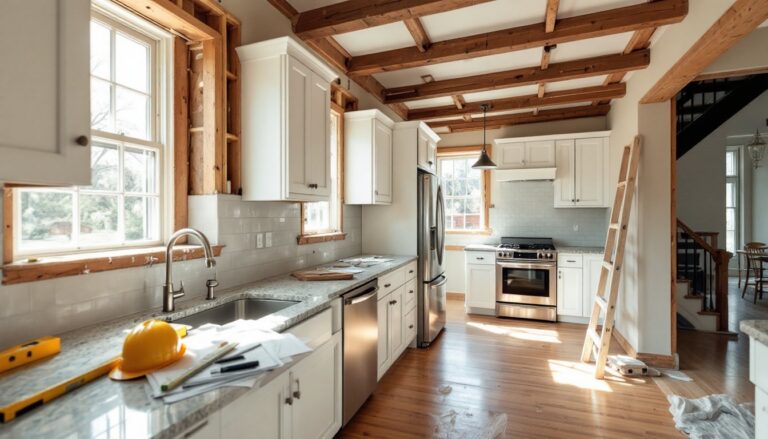
Before swinging a hammer, establish a realistic budget and timeline. Kitchen remodels range from $10,000–$15,000 for cosmetic updates to $50,000+ for full overhauls: bathroom renovations typically span $5,000–$20,000 depending on scope. These figures vary significantly by region, material grade, and whether you tackle structural changes or permits. Get multiple contractor quotes and always add a 15–20% contingency buffer for unexpected issues, demolition often reveals hidden rot, outdated wiring, or plumbing that needs replacement.
Timeline matters too. A cabinet refresh or vanity replacement might take 2–4 weeks. A full kitchen remodel involving new layout, plumbing, and electrical can stretch 8–12 weeks. Bathroom gut renovations run 4–8 weeks. Plan for disruption: you’ll lose use of the kitchen during a major remodel, which affects your household rhythm and food prep. Be realistic about your DIY capacity. Tiling, painting, and backsplash installation are achievable for enthusiastic amateurs. Structural changes, gas lines, and major plumbing or electrical work require licensed professionals and permits, don’t skip this step.
Essential Kitchen Remodel Projects for Maximum Impact
Not every kitchen project delivers equal returns. Prioritize upgrades that address function first, aesthetics second. Outdated appliances waste energy and frustrate daily use, replacing them with ENERGY STAR-certified models cuts utility costs and modernizes the space instantly. Cabinet refacing (refinishing doors and hardware) costs far less than replacement and transforms the kitchen’s appearance without layout changes. A fresh coat of paint on walls and trim is the cheapest high-impact update: use quality interior semi-gloss or satin-finish paint in kitchens to withstand moisture and cleaning.
Floor replacement ranks high on impact. Worn linoleum or stained tile look tired and harbor grime. Luxury vinyl plank (LVP) flooring installs over existing subfloors with minimal demo and offers durability plus warmth underfoot. Tile remains durable and timeless but requires proper substrate prep and grout maintenance. Lighting upgrades often get overlooked even though their importance. Replace dim overhead fixtures with recessed or pendant lighting, add under-cabinet task lighting for prep areas, and ensure color temperature (warm 2700K for ambiance, cool 4000K for work zones) matches the kitchen’s function.
Countertops, Cabinetry, and Storage Solutions
Countertops dominate both visual impact and functionality. Laminate remains budget-friendly and comes in endless patterns, though it chips and doesn’t resist heat like natural materials. Solid surface (like Corian) offers seamless installation and repairability. Quartz combines durability, low maintenance, and modern aesthetics at mid-range pricing. Granite and marble offer luxury appeal but require sealing and careful care. Measure your existing countertops accurately, nominal width is typically 24 inches deep, but account for overhangs at the sink and peninsula. Most countertop materials cost $40–$150 per linear foot installed, depending on material and complexity.
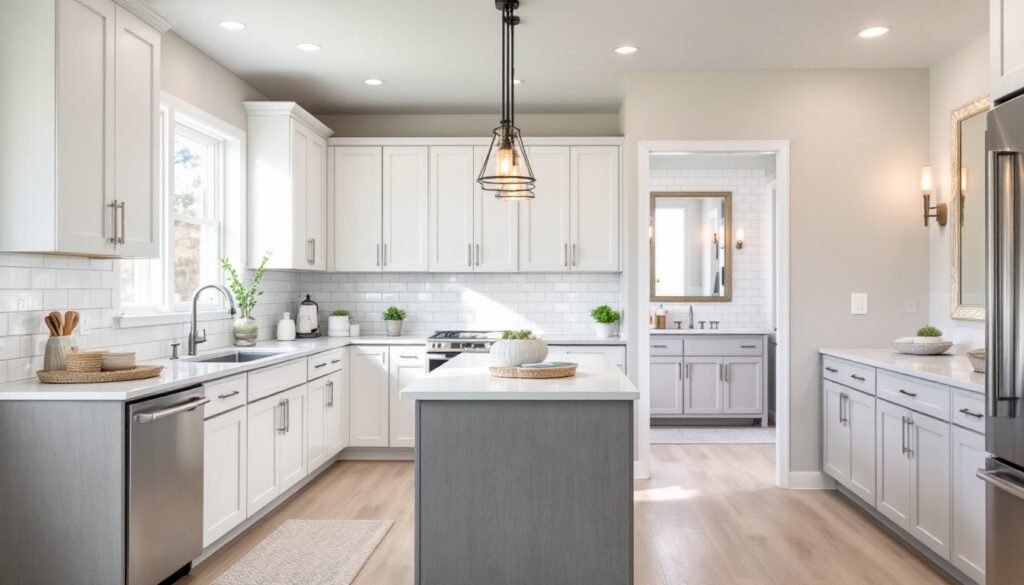
Cabinet decisions shape both storage and style. Full replacement is costly but allows custom layouts and modern hardware. Refacing (keeping the box, replacing doors and hardware) runs 50–70% less and works well if existing cabinetry is structurally sound. Add-on solutions like pull-out shelves, internal dividers, and soft-close hinges maximize existing storage. Open shelving looks modern but demands constant organization: it works best paired with closed cabinets for non-display items. Install at least 12 linear feet of upper cabinet storage and 15–20 linear feet of lower storage for a functional kitchen, accounting for appliance space. Paint cabinet boxes in neutral tones (soft white, greige, navy) to extend visual spaciousness and style longevity, trendy colors date quickly.
Key Bathroom Updates That Increase Functionality and Appeal
Bathroom remodels pivot around three essentials: plumbing fixtures, flooring, and finishes. A tired vanity, mismatched faucet, and chipped tile send a “never updated” message. Swapping the vanity cabinet and faucet alone refreshes the entire space for $800–$2,500 installed. Choose vanities with adequate storage: standard widths are 24, 30, 36, or 48 inches. Vessel sinks look modern but require taller faucets and careful splashing control: undermount sinks integrate seamlessly into countertops and are easier to clean. Faucet finishes matter: polished chrome is durable and timeless, matte black adds contemporary edge, and brushed nickel bridges traditional and modern.
Tile selection defines bathroom durability and maintenance. Wall tile behind the vanity or tub takes little moisture, any ceramic or porcelain works. Shower surround and tub apron need waterproof materials: porcelain tile or glass block resist moisture better than unglazed ceramics. Floor tile must be slip-resistant, look for a slip resistance rating or textured surface, especially around the tub. Proper waterproofing beneath tile prevents costly water damage: use waterproof membrane or cement board (not standard drywall) in wet areas. Grout sealing after installation extends the life and protects against mold.
Fixtures, Finishes, and Lighting Choices
Lighting transforms bathrooms from purely functional to spa-like. Layer it: general overhead light, task lighting at the mirror (side fixtures are ideal to minimize shadows), and accent or mood lighting via sconces or dimmers. Install moisture-rated fixtures with proper ventilation, your exhaust fan should move 50–80 CFM per 10 square feet of bathroom space to prevent mold and mildew. A cracked or fogged mirror ages a bathroom instantly: replace with a modern frameless or framed mirror that complements your vanity finish.
Shower and tub hardware feel modest but see heavy use. Valve cartridges fail over time, causing leaks and temperature swings. Replacing the cartridge costs far less than full fixture replacement and restores function. Consider upgrading to a pressure-balancing or thermostatic valve to prevent scalding and handle demand fluctuations when other fixtures run. Showerheads with flow restrictors (1.5–2.0 GPM) save water and energy without sacrificing pressure. A small ventilation upgrade, installing an exhaust fan timer or upgrading to a motion-sensor model, prevents moisture buildup without thinking about it. Paint walls with semi-gloss or high-gloss bathroom paint that resists moisture and cleans easily. Soft, neutral tones (white, pale gray, soft green) expand the visual space, while bold accent walls work in larger baths with excellent ventilation. Storage baskets, wall shelving, and recessed niches hide clutter and keep daily items accessible. A bathroom clutter-free and well-lit feels twice its actual size.
Conclusion
Smart kitchen and bath remodels hinge on addressing real problems, poor storage, dated fixtures, inadequate lighting, inefficient layouts, rather than chasing trends. Set a realistic budget, prioritize function over flash, and invest in durable, neutral finishes that won’t date within five years. Research kitchen remodeling guides and interior design inspiration to refine your vision, then execute with either professional help or hands-on DIY where appropriate. The payoff arrives twice: once on resale, and every single day you enjoy a more functional, beautiful home.