Table of Contents
ToggleThe tiny home movement has shifted from Instagram-friendly novelty to serious housing alternative. If you’re priced out of traditional homeownership, drowning in mortgage payments, or just tired of maintaining a sprawling house, IKEA’s tiny home concept offers a practical middle ground. IKEA isn’t just selling flat-pack furniture anymore, they’re designing entire micro-homes that prove you don’t need square footage to live well. These compact dwellings blend Scandinavian minimalism with smart storage, affordability, and real-world functionality. Whether you’re a first-time buyer or a seasoned DIYer, IKEA tiny homes represent a refreshing alternative to the conventional housing market.
Key Takeaways
- IKEA tiny homes cost $50,000–$80,000 fully furnished—a fraction of traditional housing costs—making homeownership accessible for first-time buyers and budget-conscious buyers.
- An IKEA tiny home design maximizes every square foot through multifunctional furniture, vertical storage, and open-plan layouts rather than sacrificing comfort.
- Loft beds, murphy beds, built-in shelving, and compact appliances transform 150–400 square-foot spaces into fully functional bedrooms, bathrooms, kitchens, and living areas.
- Before customizing your tiny home, always secure proper permits for foundation, electrical, and plumbing work while handling paint, trim, and furniture assembly yourself to save costs.
- IKEA tiny homes suit first-time homeowners, remote workers, downsizers, and DIY enthusiasts who value equity-building and practical design over maintaining sprawling properties.
What Is IKEA’s Tiny Home Concept?
IKEA’s tiny home initiative centers on designing, building, and furnishing small-footprint dwellings that are both livable and affordable. The company partnered with Curbed to create a 187-square-foot micro-home that showcased how thoughtful design can maximize every inch. Unlike traditional tiny homes that cost $40,000–$100,000+, IKEA’s modular approach uses their existing furniture ecosystem and design principles to keep costs lower while maintaining quality.
These homes typically range from 150–400 square feet and include a bedroom, bathroom, kitchen, and living area. The key insight isn’t downsizing comfort, it’s eliminating wasted space. Built-in storage, multifunctional furniture, and open-plan layouts let you move, work, and relax without feeling cramped. IKEA also emphasizes sustainable materials and energy-efficient systems, aligning with eco-conscious homeowners’ values. The concept appeals to remote workers, young professionals, retirees, and anyone questioning whether a three-bedroom suburban house is actually what they need.
Compact Design Meets Affordability
One of the biggest barriers to homeownership is cost. Traditional construction runs $100–$150+ per square foot before land. IKEA tiny homes flip that equation. By using modular, prefabricated components and off-the-shelf furniture, the per-square-foot cost drops significantly. A complete furnished IKEA tiny home can start around $50,000–$80,000 depending on finishes and location, a fraction of a down payment on a conventional house.
Affordability doesn’t mean cutting corners. These homes use solid materials: real wood, durable laminates, and quality fixtures. The design philosophy prioritizes function over decoration. You won’t find wasted hallways, oversized rooms, or decorative niches. Instead, every surface works double duty. Kitchen islands are dining tables. Beds have drawers underneath. Walls feature integrated shelving. This intentional constraint actually forces better design.
Space-Saving Solutions and Smart Layouts
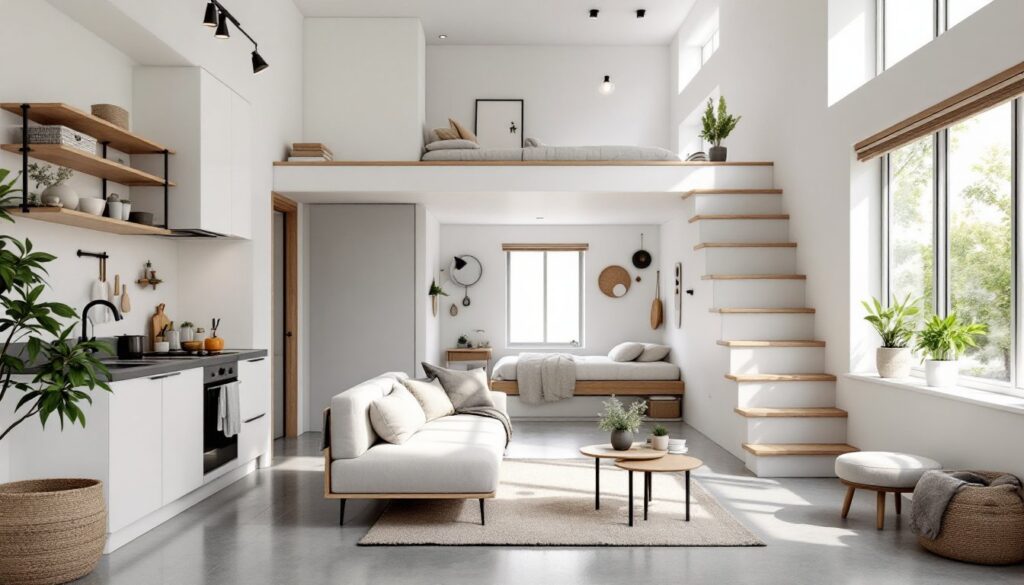
The secret to livable tiny homes lies in layout and built-in storage. IKEA excels here. Loft-style bedrooms, murphy beds, and vertical shelving units keep floor space open. Open-plan living combines the kitchen, dining, and living areas into one flexible zone rather than isolated rooms. This makes the space feel larger and allows natural light to penetrate deeper.
Murphy beds or loft bedrooms are structural decisions, not just furniture picks. They require proper wall anchoring, load-bearing support, and ideally a second pair of hands for installation. Vertical storage, wall-mounted cabinets, pegboards, and shelving, keeps belongings accessible without floor clutter. Kitchens in tiny homes use corner drawers, pull-out racks, and compact appliances to pack full functionality into 60–80 square feet. Living areas often feature a built-in sofa or modular seating that folds or reconfigures for sleeping. Storage under stairs, in closet systems, and within islands maximizes dead space.
Building and Customizing Your IKEA Tiny Home
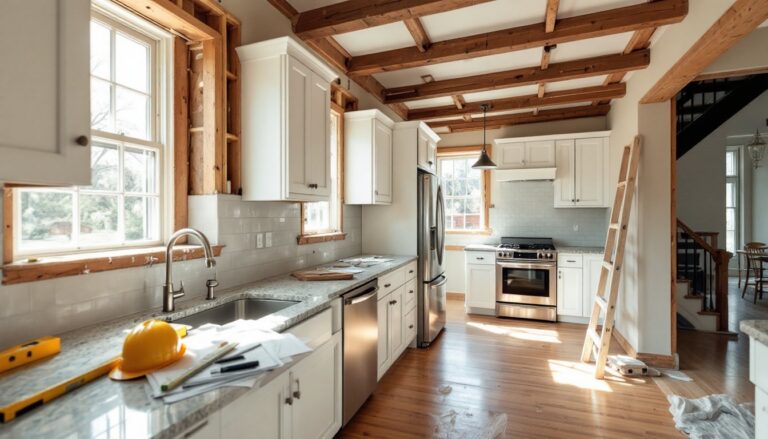
Most IKEA tiny homes come as shell packages or modular builds. Some are delivered as assembled foundation units: others arrive as flat-pack components you assemble. If you’re working with a contractor, they’ll handle framing, electrical, and plumbing. If you’re a serious DIYer, you might tackle some finishing work yourself.
Before starting, understand what requires permits. Foundation work, electrical systems, and plumbing always need inspection in most jurisdictions, never skip this. Paint, trim, and interior finishes? That’s fair game for DIY. Assemble furniture with a friend. IKEA’s printed guides are clear, but cabinet installation, especially when securing to walls, benefits from an extra set of hands.
Customization is straightforward. IKEA’s modular system lets you swap components, choose finishes, and add accessories without reinventing the wheel. Want a different countertop color? Swap it. Need more shelving? The frame system accepts additional units. Paint interior walls before moving in, much easier than painting around furniture. Use primer on any existing finishes to ensure paint adhesion. Sand lightly, fill nail holes, and apply two coats of quality interior paint (expect 350–400 sq. ft. coverage per gallon). If you’re unfamiliar with electrical or structural modifications, hire a licensed professional. Cutting corners on electrical work or load-bearing walls isn’t worth the risk.
Perfect For First-Time Homeowners and DIY Enthusiasts
First-time homebuyers often face a brutal choice: rent indefinitely or stretch financially for a house they don’t really need. IKEA tiny homes offer a third path. You’re building equity in an actual property, not making a landlord rich. The lower purchase price means smaller down payments and manageable monthly payments even on a tight budget. For someone earning $40,000–$60,000 annually, a $70,000 home is achievable with proper financing.
DIY enthusiasts find endless appeal in these builds. Unlike custom homes where mistakes are expensive, IKEA’s modular approach lets you work in phases. Finish one section, move on, and return to refine details later. Assembly is mostly bolt-and-screw work, within reach of anyone comfortable with a cordless drill and hex wrench. You’ll develop real skills: furniture assembly, basic carpentry, finishing techniques, and spatial planning. There’s genuine satisfaction in living in a home you built, even if you didn’t frame the walls.
These homes also work well for staged living transitions. Young professionals can live tiny while building savings. Parents downsizing after kids leave home gain simplicity. Retirees reduce maintenance and free up capital. The barrier to entry is so low that lifestyle changes don’t require a financial crisis.
Real-World Examples and Design Inspiration
IKEA’s 187-square-foot home became a case study in efficient design. It featured a loft bed, under-stair storage, a compact kitchen with a two-burner cooktop, and an open living area with large windows. Styling emphasized light, neutral tones, and natural materials, wood, white walls, and concrete floors. The home proved you could live alone comfortably in less than 200 square feet without feeling like you’re camping.
Projects featured on Apartment Therapy and Young House Love show how budget-conscious DIYers adapt IKEA components into permanent homes. One designer combined IKEA kitchen islands with custom countertops for a hybrid solution. Another used IKEA shelving as the foundation for built-in bedroom storage, then faced it with stained wood trim for a custom look. These aren’t designer homes, they’re honest, practical builds where people chose function over Instagram aesthetics.
Common themes emerge: neutral base colors (whites, grays, natural wood), strategic use of texture (area rugs, woven baskets), and layered lighting (overhead, task, and accent). Multi-use furniture, ottomans with storage, nesting tables, fold-down desks, prevents clutter. Large mirrors create depth. Open shelving (when not overloaded) keeps spaces airy. The point isn’t to make a tiny home look like a giant one: it’s to make it feel intentional and livable.
Conclusion
IKEA tiny homes represent a practical, affordable path to homeownership and conscious living. They’re not for everyone, some people genuinely need space, and that’s fine. But for first-time buyers, downsizers, remote workers, and anyone questioning whether they’re throwing money at unnecessary square footage, these compact dwellings offer real value. Assembly and customization are accessible to DIYers willing to learn. Start with a clear plan, invest in quality where it matters (foundation, electrical, plumbing), and don’t skip permits. Your tiny home won’t be a starter house you outgrow, it’s a deliberate choice that can work for years or decades. That’s the revolution worth building.