Table of Contents
ToggleTiny houses have shifted from trendy concept to legitimate housing solution. A 2 bedroom, 2 bath tiny house offers something the traditional market rarely provides: affordable, efficient living without the sprawl or maintenance headaches of a standard home. Whether you’re downsizing, simplifying, or looking for a sound investment, this category hits a sweet spot, enough bedrooms for a couple, guest room, or small family, plus dual bathrooms that eliminate morning traffic jams. But buying a tiny house isn’t like purchasing a conventional home. You’ll encounter different financing hurdles, unique inspection issues, and zoning quirks that catch unprepared buyers off guard. This guide walks you through what really matters when hunting for your 2 bedroom, 2 bath tiny house.
Key Takeaways
- A 2 bedroom, 2 bath tiny house typically ranges from 400–600 square feet and can reduce utility bills by 50–75% compared to conventional homes.
- The dual-bathroom configuration solves shared-living friction and positions this model in higher buyer demand than single-bedroom tiny homes.
- Foundation type (permanent vs. trailer-based), insulation quality, moisture prevention, and electrical capacity are critical inspection priorities that directly impact long-term cost and livability.
- Financing requires non-traditional pathways: conventional mortgages apply only above $50,000, while personal loans and RV-style financing offer alternatives with higher rates (7–15% APR).
- Zoning laws vary dramatically by location—research whether your area permits tiny homes on private land, in designated communities only, or restricts rental use before purchasing.
- Budget for total costs beyond purchase price: land ($10,000–$50,000+), lot rent ($300–$600 monthly), appraisals ($400–$800), and specialized tiny home insurance ($800–$1,500 annually).
Why 2 Bedroom, 2 Bath Tiny Houses Are the Smart Choice for Modern Living
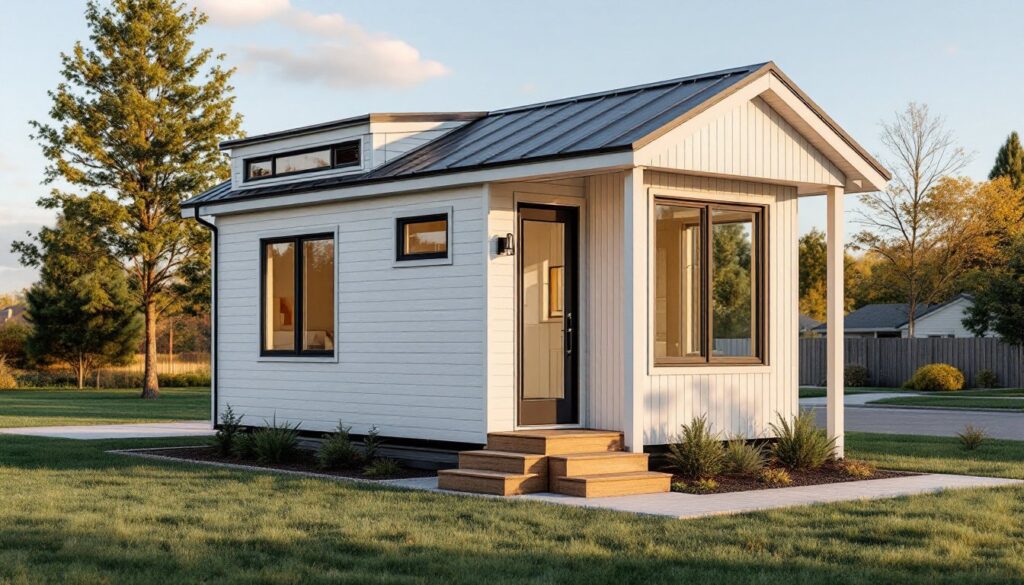
The economics of tiny home living have tightened considerably. A 2 bedroom, 2 bath tiny house typically ranges from 400 to 600 square feet, small enough to heat and cool efficiently, yet spacious enough for two people without constant compromise. Utility bills often run 50–75% lower than conventional homes, and property taxes scale accordingly.
Beyond the math, there’s a lifestyle angle worth considering. Tiny homes force intentional living: you can’t accumulate endless clutter, and you’re less isolated in cramped quarters when the space is genuinely functional. Two full bathrooms mean couples or roommates don’t lose their minds fighting over shower time. The second bedroom handles guests, a home office, or creative space, flexibility that matters for remote workers.
From a resale perspective, the 2 bedroom, 2 bath configuration sits in higher demand than 1 bedroom models. You’re hitting more buyer profiles without the overkill of three bedrooms. According to recent real estate trends documented by Curbed, compact homes with dual bathrooms command better retention and quicker turnovers in secondary markets.
What to Look for in a Quality 2 Bedroom, 2 Bath Tiny Home
Quality in tiny homes hinges on materials, insulation, and water systems, things that become magnified in confined spaces.
Inspect the foundation first. Tiny homes sit on trailers (mobile-style) or permanent foundations. Permanent foundations are less common but offer more stable financing and zoning acceptance. If it’s trailer-based, verify the I-beam or steel frame shows no rust, cracks, or sag. Check for proper grading and drainage around the foundation: moisture problems in a tiny space spread fast.
Look at wall insulation and vapor barriers. In a 400-square-foot home, poor insulation means significant heat loss and condensation issues. Ask for R-values: spray foam or rigid foam with a proper vapor barrier beats loose-fill for tiny homes. Check for any water staining on interior walls or ceilings, this signals past leaks or ongoing moisture infiltration.
The plumbing and electrical systems deserve close attention. With compressed living, you need reliable water heaters, well-designed ductwork, and modern electrical panels. Request inspection photos of the water tank (size matters, many tiny homes use smaller tanks), the location of shut-off valves, and the breaker panel.
Layout and Floor Plan Considerations
Floor plan efficiency separates a livable tiny home from a cramped one. The two bedrooms should be separated by a hallway or living space, nobody wants bedrooms back-to-back with paper-thin walls. Check ceiling heights: 8 feet is standard, but some tiny homes cut corners here. Lower ceilings feel suffocating and make lofted areas unusable.
Bathroom placement matters too. If both bathrooms share a wall, plumbing costs are lower and maintenance easier. Kitchens in tiny homes must work hard: look for counter space, appliance sizing, and storage. A full 30-inch range and reasonable refrigerator space are non-negotiables, not luxuries.
Open floor plans feel larger, but consider whether the living, kitchen, and dining zones have enough visual separation and acoustics. Can you close doors for privacy or noise control? Many buyers overlook flow until they’re actually living there.
Essential Inspections and Red Flags
Never skip a professional inspection on a tiny house. They’re cheaper than conventional homes, but problems compound faster in tight quarters.
Structural concerns are your top priority. If the home is trailer-based, have the frame inspected by someone familiar with mobile home standards, not just general contractors. Look for any signs of settling, cracking in drywall near corners, or doors that stick. These hint at frame issues that are expensive to address.
Moisture and mold are the nemesis of tiny homes. Ask for moisture meter readings in walls, under sinks, and in corners. Smell the air inside: a musty odor signals hidden problems. Tiny spaces don’t have room for mistakes, mold in a 400-square-foot home spreads to every room within weeks.
Roof and exterior seals require scrutiny. Small homes have proportionally more roof-to-floor area, so leaks hit harder. Check for caulking cracks, missing shingles, or rust on metal seams. If it’s a trailer-based model, inspect where the home connects to the chassis, this joint is prone to weather damage.
Appliances and built-ins often come with tiny homes. Request maintenance records for the water heater, HVAC, and any integrated appliances. In a tiny home, replacing a built-in refrigerator is costlier and trickier than swapping a standard unit.
Electrical capacity matters more here. Many tiny homes run on 30-amp or 50-amp service (versus 200-amp standard). This affects charging capability and simultaneous appliance use. Ask about the panel and whether it’s been updated within the past decade.
Budget Breakdown: Understanding Tiny House Pricing
New 2 bedroom, 2 bath tiny houses range from $60,000 to $150,000 depending on finishes and location. Used models run $40,000 to $100,000, with pricing heavily influenced by age and condition.
Beyond the purchase price, budget for land if you’re not using a tiny home community lot. Permanent foundation lots are more expensive than rentals in parks. Land prices vary wildly by region, $10,000 in rural areas, $50,000+ in desirable suburbs.
Financing costs differ sharply from conventional mortgages. Many banks won’t finance tiny homes under $50,000, and some won’t finance at all if the home is on a permanent foundation versus a trailer. Interest rates run slightly higher due to perceived risk. Personal loans or RV-style financing offer alternatives but with steeper rates.
Inspection and appraisal fees run $300–$500 and $400–$800 respectively. Appraisals can be contentious because comparable sales are sparse: the appraiser must hunt harder for market data.
Closing costs typically run 2–5% of the purchase price. Title transfer, recording fees, and inspections add up quickly. Don’t let the lower purchase price lull you into skipping this math.
Ongoing costs: Property taxes are low, but lot rent in communities averages $300–$600 monthly. Utilities run $100–$200 monthly (significantly less than traditional homes). HOA fees in some tiny home communities add another $150–$300 monthly. Budget these before committing.
How to Customize and Renovate Your Tiny House Investment
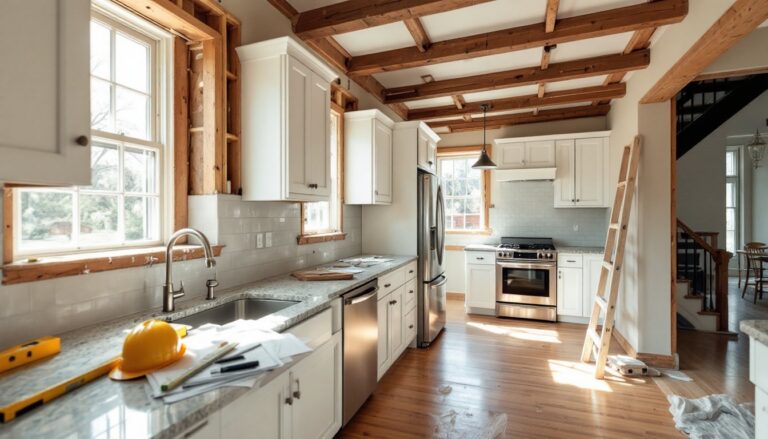
One advantage of tiny homes: renovations are manageable in scope and budget. Major kitchen or bath updates run $8,000–$20,000 instead of $30,000+ for a conventional home.
Start with surfaces and functionality. Fresh paint, updated hardware, and new faucets transform the space for $2,000–$4,000. These upgrades work because every corner is visible: small details register immediately in tight quarters.
Storage solutions yield huge lifestyle improvements. Built-in shelving, under-stair drawers, or wall-mounted organizers cost $1,500–$3,000 but reclaim usable space. Look to Apartment Therapy for small-space storage strategies that maximize function without visual clutter.
Flooring upgrades are worth considering if the original is worn. Luxury vinyl plank (LVP) runs $1.50–$3.00 per square foot installed, durable and moisture-resistant, critical for tiny homes. Avoid wall-to-wall carpet: it traps odors and moisture in confined spaces.
Bathroom and kitchen fixtures should be modest but quality. A leaky faucet in a tiny home becomes unbearable fast. Spend on reliability here: solid brass valves, stainless steel, and trusted brands outlast budget alternatives.
Appliance sizing matters for functionality. An undersized refrigerator or range frustrates daily. If original appliances are tiny, budget $2,000–$4,000 to upsize intelligently, full 30-inch range, compact but real refrigerator, efficient water heater.
Skip cosmetic-only renovations. Focus on durability and livability in tiny spaces.
Financing and Legal Considerations for Tiny Home Purchases
Financing a 2 bedroom, 2 bath tiny house requires understanding nontraditional pathways. Conventional mortgages apply only if the home is built to HUD or local residential building codes, sits on permanent foundation, and appraises above a lender’s threshold (usually $50,000+). Expect 5–20% down and rates slightly above standard mortgages, typically 0.5–1.5% higher.
Personal loans offer flexibility but come with shorter terms (5–7 years) and higher rates (7–12% APR). RV or manufactured home loans work for trailer-based units, requiring 10–20% down and 10–15 year terms.
Zoning and permitting vary dramatically by jurisdiction. Some areas embrace tiny homes: others restrict them to designated communities only. Research local codes before buying. Can you place the home on private land, or must it sit in an approved park? Can you rent it out, or is it owner-occupied only? These rules affect resale and investment potential.
Ask the seller for proof of ownership, lot lease terms (if applicable), and any HOA documentation. Verify the home is properly titled and registered. If it’s a mobile/manufactured home, check the title with the state DMV, liens or ownership disputes derail deals fast.
Insurance is another puzzle. Homeowners policies don’t always cover tiny homes: you may need manufactured home insurance instead, running $800–$1,500 annually versus $1,200–$2,000 for conventional homes (slight savings, but availability is tighter).
Consult a real estate attorney familiar with tiny homes in your state. Standard home purchase contracts often don’t fit, and you need protection against financing complications, zoning challenges, and exit strategies if the deal sours. Legal fees ($500–$1,500) are an investment that prevents far costlier mistakes.
Recent insights from Houzz show that tiny home investments succeed when buyers address legal and financial architecture upfront, not as afterthoughts.
Final Thoughts: Making Your Move
Buying a 2 bedroom, 2 bath tiny house is viable, rewarding, and radically different from traditional home buying. Success hinges on meticulous inspection, honest budget accounting, and realistic expectations about financing and legal quirks. Don’t rush. Tour multiple homes, ask detailed questions, and lean on professionals, inspectors, appraisers, and attorneys who know tiny homes specifically. The right property, paired with clear-eyed planning, sets you up for years of efficient, intentional living.