Table of Contents
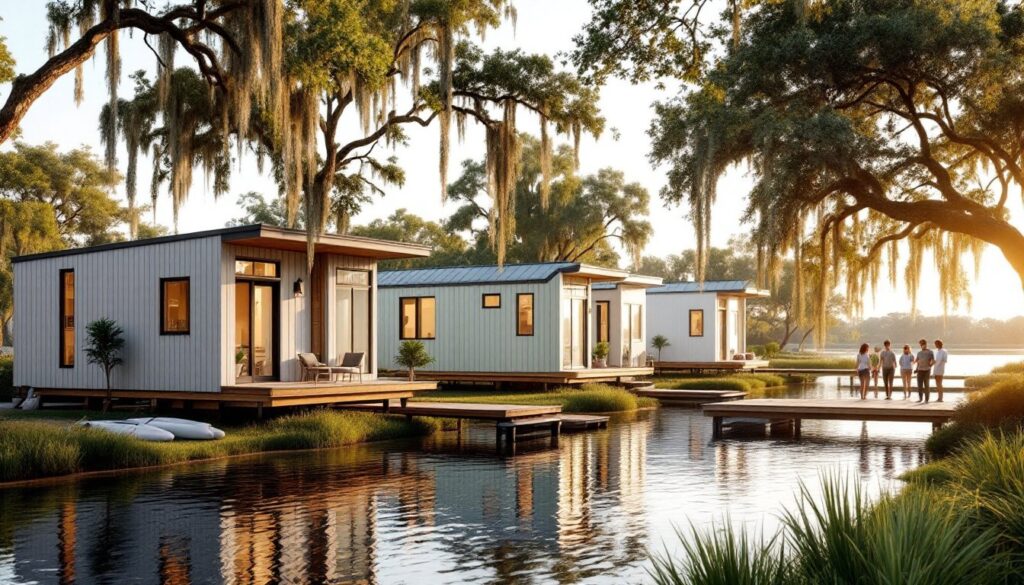
ToggleTiny homes aren’t a passing trend anymore, they’re a smart lifestyle choice gaining serious traction in Florida’s real estate market. Orlando’s lakefront tiny home communities represent a shift toward sustainable, affordable, and intentional living without sacrificing waterfront appeal. These compact dwellings offer the freedom of lakefront property combined with lower maintenance costs, reduced utility bills, and tight-knit communities designed around modern needs. Whether you’re a first-time buyer, downsizer, or investor exploring alternative housing, understanding what Orlando’s lakefront tiny home communities offer is your first step toward making an well-informed choice.
Key Takeaways
- Orlando lakefront tiny home communities offer waterfront living at prices ranging from $150,000 to $350,000, combining affordable housing with sustainable, intentional living.
- HOA fees ($200–$400 monthly) and covenants are binding; thoroughly review community rules, rental restrictions, and financial statements before purchasing.
- Modern tiny home design uses smart space-saving solutions like built-in storage, high ceilings, and multi-functional furniture to create comfortable, genuinely livable spaces.
- Lakefront tiny home communities foster strong social bonds through shared amenities like boat docks, community gardens, and planned events, delivering lifestyle value alongside property ownership.
- Secure pre-approval with lenders experienced in tiny home mortgages, as traditional banks may hesitate on homes under 400 sq. ft., and expect modest but steady appreciation (2–4% annually).
- Conduct in-person community tours, consult a real estate attorney on HOA documents, and hire inspectors familiar with tiny homes to ensure structural integrity and proper system sizing.
What Makes Lakefront Tiny Home Communities So Appealing
Lakefront tiny home communities combine two powerful draws: waterfront living and efficient, affordable housing. The appeal goes beyond aesthetics. A typical tiny home (usually 400–800 sq. ft.) costs significantly less to purchase and maintain than a traditional single-family home, freeing up capital for investments, travel, or lifestyle upgrades.
Waterfront proximity adds genuine value. Morning walks along the lake, direct water access for kayaking or fishing, and natural scenery aren’t luxuries here, they’re part of the daily experience. These communities also tend to foster stronger social bonds. Shared amenities like boat docks, community gardens, and gathering spaces encourage neighbors to interact, creating a village-like feel that suburban sprawl rarely achieves.
From an environmental perspective, smaller footprints mean lower carbon output. Reduced heating and cooling needs, less water consumption, and fewer building materials align with growing environmental consciousness. For many buyers, this sustainability angle isn’t just nice, it’s essential.
Orlando’s Lakefront Tiny Home Market: What Homebuyers Need to Know
Orlando’s lakefront tiny home market is heating up, with developments popping up around Lake Eustis, Lake Apopka, and the chain of lakes surrounding downtown. Prices typically range from $150,000 to $350,000 depending on location, amenities, and whether you’re buying an existing unit or pre-construction.
Here’s what differs from standard home buying: most lakefront tiny communities operate under HOA (Homeowners Association) rules. These covenants dictate exterior colors, landscaping, and even occupancy rules. Read these carefully, they’re binding and affect your property value and daily life. Some communities allow short-term rentals: others prohibit them entirely. This matters if you’re considering the property as an investment.
Financing can be trickier. Traditional banks sometimes hesitate on tiny homes under 400 sq. ft., viewing them as higher risk. But, lenders increasingly recognize the market and offer tiny home mortgages. FHA loans, conventional mortgages, and some credit unions now have specific tiny home programs. Work with lenders familiar with the niche, their rates and terms often beat generalist banks.
Market appreciation is slower than traditional homes but steadier. Tiny homes hold value in the right communities but won’t appreciate like a 4-bedroom suburban house. Think of it as a lifestyle investment with modest capital gains rather than a wealth-building play.
Design Features and Amenities in Today’s Tiny Homes
Modern tiny homes aren’t cramped, they’re engineered. Smart design separates livable tiny homes from gimmicky ones. Open floor plans, high ceilings, and strategic storage transform what could feel claustrophobic into genuinely comfortable living.
Space-Saving Interior Solutions
Built-in shelving, pull-out pantries, and multi-functional furniture (bed frames with storage, fold-down desks) maximize every inch. Quality matters here, cheap organizers clutter rather than clarify. Opt for custom cabinetry or well-designed modular systems from brands known for durability.
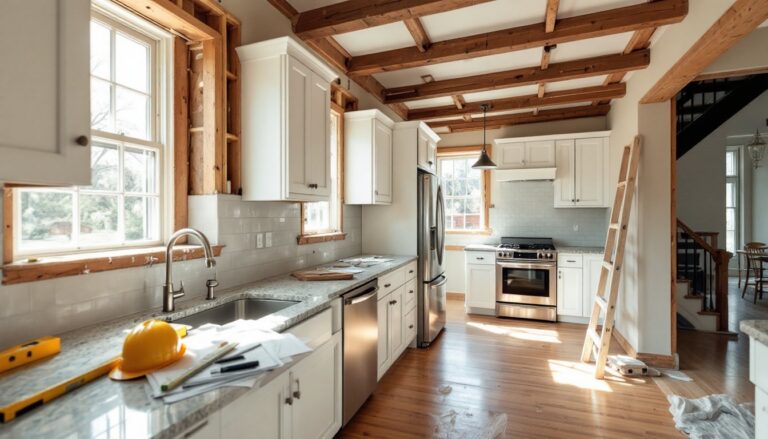
Kitchens in tiny homes use compact appliances: 30-inch refrigerators, induction cooktops, and combination washer-dryers eliminate the need for separate laundry rooms. These work surprisingly well: they’re not compromises but deliberate choices that reflect modern cooking habits.
Lighting design significantly impacts perceived space. Large windows, skylights, and layered lighting (ambient, task, accent) make 500 sq. ft. feel open. Lakefront homes benefit from natural light and water views, orient the layout to capitalize on these assets.
Many communities now feature covered porches, screened patios, and deck space that effectively expand living areas outdoors. This outdoor-indoor integration is key to tiny home comfort.
Community Lifestyle and Benefits
What separates a tiny home community from scattered tiny homes is culture. Established Orlando lakefront communities offer planned social calendars: monthly gatherings, seasonal events, fitness classes, and skill-sharing workshops. Some feature communal cooking spaces, libraries, and co-working areas.
Shared amenities reduce individual costs and encourage participation. A community boat dock, maintained by HOA fees, beats each owner installing private docks. Similarly, community gardens, fitness centers, and event spaces create gathering points and justify the HOA expense.
According to real estate trends discussed on Curbed, planned communities with robust social infrastructure see higher resident satisfaction and better property value retention. Proximity to neighbors in tiny communities also means faster response times for community issues and a genuine sense of looking out for one another.
For retirees, empty-nesters, and remote workers, this lifestyle delivers freedom without isolation. You’re building a network while maintaining independence, a balance that traditional suburban neighborhoods often miss.
Financial Considerations and Investment Potential
Let’s talk numbers. Purchase price is only part of the cost equation. HOA fees in Orlando lakefront communities typically run $200–$400 monthly, covering landscaping, dock maintenance, insurance, and amenities. Some include utilities: most don’t. Budget accordingly.
Property taxes in Florida are reasonable compared to northern states, and homestead exemptions apply if it’s your primary residence. Tiny homes have lower insurance premiums due to reduced square footage and replacement cost.
As an investment, expect modest appreciation (2–4% annually) versus traditional homes (3–5%). But, total cost of ownership is lower: smaller mortgage, reduced utilities, minimal exterior maintenance. The math works if you value lifestyle and lower upkeep over maximum capital gains.
Rental potential varies by community rules. Some lakefront communities allow short-term rentals and see strong Airbnb interest: others restrict to long-term only. Verify HOA policies before buying if rental income factors into your decision. Apartment Therapy highlights the appeal of smaller spaces to renters, suggesting decent rental demand exists if permitted.
Resale typically outperforms expectations when you target the right buyer, downsizers, retirees, and remote workers seeking waterfront affordability actively seek these properties.
Getting Started: Steps to Finding Your Lakefront Tiny Home
Step 1: Define Your Must-Haves. Waterfront access? Dock space? Pet-friendly? Budget ceiling? Rental eligibility? Write these down before touring. Orlando’s market moves fast: clarity prevents emotional decisions.
Step 2: Get Pre-Approved. Work with a lender experienced in tiny homes. Approval timelines differ from standard mortgages, so lock financing early. Most buyers need proof of pre-approval before offers are considered.
Step 3: Tour Communities in Person. Visit on weekends to observe community activity. Talk to current residents, they reveal truths no brochure will. Check the condition of shared spaces, dock facilities, and landscaping. These signal how well the HOA manages the community.
Step 4: Review HOA Documents Thoroughly. Read the covenants, bylaws, financial statements, and reserve fund details. Consult a real estate attorney if anything’s unclear. This isn’t overkill: it’s due diligence.
Step 5: Inspect the Specific Unit. Hire a home inspector experienced with tiny homes. Check HVAC sizing (oversized systems waste energy in small spaces), water heater capacity, and structural integrity. Southern Living’s coverage of small-space living includes insights on what to prioritize in compact homes, focus on quality foundations, roofing, and systems since replacement costs are proportionally higher.
Step 6: Negotiate from Data. Pull comparable sales from the last 6–12 months. Tiny homes in the same community are your comparables, not neighborhood traditional homes. Make offers based on this data and current market conditions, not emotion.
Step 7: Close Confidently. Work with a title company familiar with HOA communities. Ensure all utility hookups, dock access, and community amenities transfer cleanly.