Table of Contents
ToggleNashville homeowners are sitting on some of the hottest real estate in the Southeast, and smart upgrades can seriously boost a home’s appeal and function. Whether you’re eyeing a kitchen refresh, a bathroom overhaul, or a full-scale remodel, the local market and building codes in Nashville present both opportunities and considerations unique to Middle Tennessee. This guide walks you through what’s trending this year, how to approach major projects, and how to budget and source materials right, no fluff, just practical steps to get the job done.
Key Takeaways
- Warm, textured finishes, energy-efficient appliances, and sustainability are defining Nashville home remodeling trends in 2026, moving away from stark minimalism toward locally sourced materials and comfort-focused design.
- Kitchen remodels offer the best return on investment in Nashville but require careful attention to load-bearing walls, utility placement, and proper ventilation (600-900 CFM) to avoid costly mistakes.
- Bathroom updates in Nashville remodels return 60-70% at resale, with LED lighting and fresh tilework providing high-impact refreshes at fraction of full renovation costs, though professional tile contractors are essential due to humidity concerns.
- Budget 15-20% contingency for Nashville home remodeling projects and expect labor to comprise 50-60% of costs; always get three licensed contractor quotes and verify through the Tennessee Board of Contractors.
- Permits are non-negotiable for kitchen and structural work in Nashville, adding 1-3% to project cost but protecting against title issues and insurance claim denials.
- Local Nashville contractors and suppliers understand regional building codes and climate challenges, making them invaluable partners for sourcing materials and managing projects successfully.
Popular Nashville Remodeling Trends This Year
Nashville’s remodeling landscape in 2026 reflects a blend of modern functionality and nods to the city’s historic character. Open-concept kitchens and living spaces remain strong, but homeowners are moving away from stark minimalism toward warm, textured finishes, think shiplap, reclaimed wood accents, and matte-finish cabinetry paired with metal fixtures. Sustainability is no longer a trend: it’s table stakes. Energy-efficient appliances, LED lighting, low-VOC paint, and reclaimed or locally sourced materials are standard expectations now, not upgrades.
Bathrooms are shedding the all-white spa look in favor of jewel tones, terrazzo, and mixed metallic hardware. Walk-in showers without doors continue to gain ground, as do heated tile floors and rainfall showerheads, comfort and luxury without the dated spa-retreat cliché. Outdoor living spaces, especially covered patios and screened porches, remain a big draw for Nashville homes, where the climate allows extended seasons of use. If you’re planning work that touches the exterior, consider how it ties into the whole property, curb appeal isn’t an afterthought.
Kitchen Remodeling: A Nashville Homeowner’s Blueprint
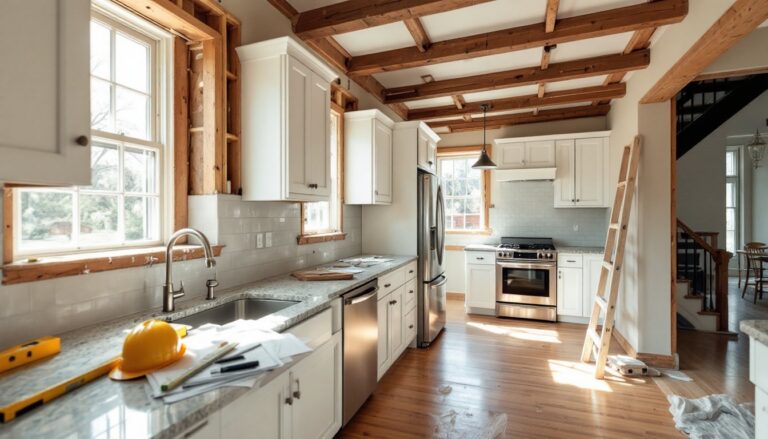
A kitchen remodel is where most homeowners see the best return on investment and daily quality-of-life gains. But it’s also the most complex project in a home, plumbing, electrical, gas lines, ventilation, permits, and structural changes all intersect here. Before you start, pull your home’s building permits if possible: knowing what’s already been approved helps avoid surprises.
Layout and Design Considerations
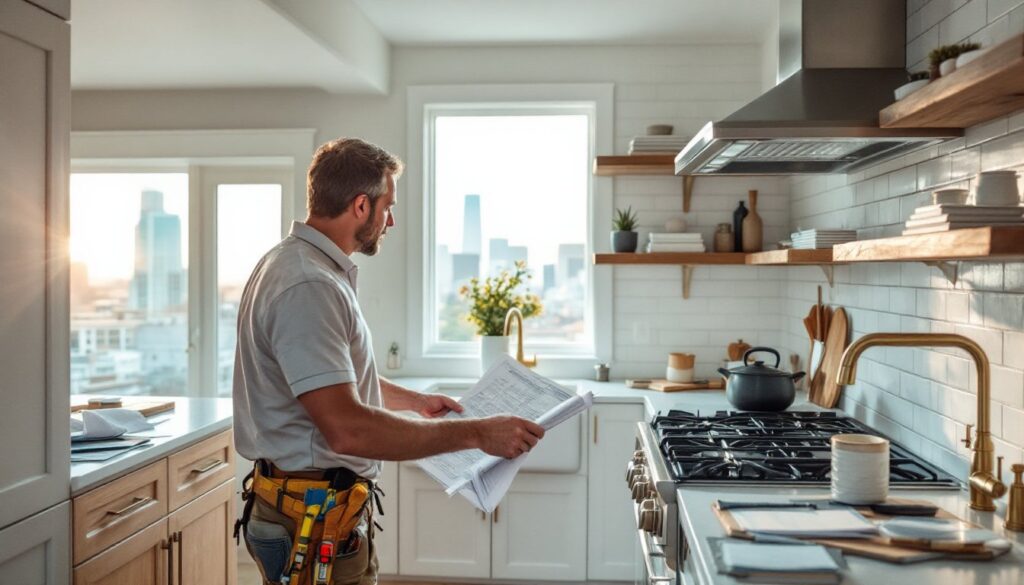
Your kitchen’s layout is the skeleton of the project. The classic work triangle, sink, stove, and refrigerator, still matters, especially if you spend time cooking. If you’re opening up a wall between your kitchen and living area, confirm it’s not load-bearing: if it is, you’ll need engineered plans and a structural engineer (typically $300–600 in Nashville). This is non-negotiable and often requires a building permit.
Island placement is tempting but eats floor space. In Nashville’s older homes, kitchens are often tight: measure before falling in love with an island. 36 inches minimum clearance on all sides is code: less than that and you’re creating a bottleneck. Appliance placement should align with existing utility runs when possible, moving a gas line or adding a second electrical circuit adds cost and complexity fast.
Cabinetry, countertops, and backsplash are where your budget usually lands. Stock cabinets run $100–200 per linear foot: semi-custom, $200–500: fully custom, $500+. Granite or quartz countertops in Nashville typically cost $40–75 per square foot installed. Backsplash (subway tile, glass, or stone) is a visual anchor and relatively affordable, $10–30 per square foot for materials, plus labor. Don’t cheap out on the backsplash: it’s seen constantly and takes heavy-use abuse.
Ventilation often gets overlooked. A range hood must vent outside, never into the attic or crawl space. 600 CFM minimum for electric ranges, up to 900 CFM for gas. A local contractor or kitchen designer can calculate your needs based on your stove and kitchen size. Undersized ventilation leaves you with cooking odors and moisture that damage cabinets and walls.
Bathroom Updates That Add Value
Bathroom remodels return roughly 60–70% of their cost at resale, and they dramatically improve daily comfort. A full bathroom remodel in Nashville runs $10,000–25,000+: a half-bath or powder room, $3,000–7,000. What you spend depends on scope: cosmetic updates (new vanity, fixtures, paint, hardware) versus moving plumbing or opening walls.
Start with what’s functional. If your plumbing is solid and the layout works, a fresh vanity, new faucet, better lighting, and updated tilework can feel like a complete refresh for a fraction of a gut renovation. LED vanity lighting (3000K color temperature for a flattering, warm glow) is inexpensive and transformative. A new mirror with integrated lighting costs $200–500 and instantly modernizes the space.
If you’re updating tile, remember that labor often exceeds material cost. Porcelain tile is durable and affordable ($2–5 per square foot): marble and natural stone are beautiful but porous and require sealing ($4–15 per square foot). Grout and waterproofing are critical in wet areas: cheap grout fails, and poor waterproofing behind tile leads to mold and structural damage. Use an experienced tile contractor familiar with Nashville’s humidity levels, moisture management matters here.
Fixtures are where you can splurge or save thoughtfully. A basic faucet runs $50–150: quality mid-range faucets, $150–400. Brands like Delta, Moen, and Kohler have solid reputations and warranty support. Shower fixtures and body jets trend toward rainfall showerheads, but ensure your water heater can handle demand: a tankless or larger capacity unit may be needed. Most Nashville homes have municipal water: check with your local water authority about any pressure or flow restrictions before speccing fixtures.
Planning Your Nashville Remodeling Budget
Budget overruns are the remodeling villain, and they usually stem from three things: underestimating contingency, not accounting for scope creep, and ignoring prep work. Start with a realistic estimate, add 15–20% contingency (not 5%), and stick to your scope unless you’re truly prepared to add funds.
Use a tool like HomeAdvisor’s cost estimator or ImproveNet’s project planning resources to baseline costs for your region and project type. These tools crowd-source local data, though they’re ballpark figures, always get three quotes from licensed contractors. A quote that’s 30% lower than others usually means the contractor is cutting corners or will nickel-and-dime you later.
Permits add cost and time but protect you legally and ensure work meets code. Kitchen remodels and structural changes require permits in Nashville: unpermitted work can create title issues and void insurance claims. Permit costs typically run 1–3% of project cost, plus inspection fees. Budget 2–4 weeks for permitting, even though the paperwork moves faster.
Labor is usually 50–60% of a remodel budget: materials, 30–40%: and contingency, 10–20%. If you DIY non-structural finishing work (painting, hardware installation, simple demolition), you can trim labor costs. But plumbing, electrical, and HVAC work should go to licensed professionals in Nashville, code requirements are strict and errors are expensive to fix.
Selecting Materials and Contractors Locally
Nashville has a strong contractor community, from large firms to one-person shops. Local contractors know Nashville’s building codes, climate quirks (humidity, occasional freeze-thaw cycles), and supply chains. They’re also easier to pursue if issues arise.
When vetting contractors, ask for references (and call them, don’t just scroll reviews), verify licensing through the Tennessee Board of Contractors (all contractors should hold active licenses), and confirm they carry insurance. Get written estimates with a breakdown of labor, materials, and timeline. A contractor who won’t itemize is hiding something.
Materials sourcing matters more than brand loyalty. A local supplier or big-box store may carry the same cabinets or tile: the difference is service, lead times, and return policies. For custom items, local kitchen and bath showrooms in Nashville (such as those in the Berry Hill design district) offer expert guidance, though they cost more than online ordering. For standard materials, comparison shopping saves thousands.
Communication is underrated. Weekly progress check-ins, clear change order procedures, and a written contract prevent 90% of disputes. A good contractor will also advise on scheduling, waiting to order cabinets until after the frame inspection, for example, prevents them sitting on a jobsite for weeks, exposed to dust and moisture.
If you’re tackling any structural work, exterior projects, or systems (electrical, plumbing, HVAC), hire licensed professionals. DIY mistakes in these areas cost far more to fix than hiring it right the first time. For finishing work, trim, paint, hardware, simple demolition, you can save labor costs. Just understand the difference between cosmetic and structural before you swing a sledge.
Conclusion
Nashville remodeling success comes down to honest assessment, clear planning, and respecting complexity. Know what requires a permit and a professional. Budget conservatively, get local quotes, and source materials thoughtfully. Your Nashville home remodeling is an investment in comfort, function, and resale value, take the time to do it right.